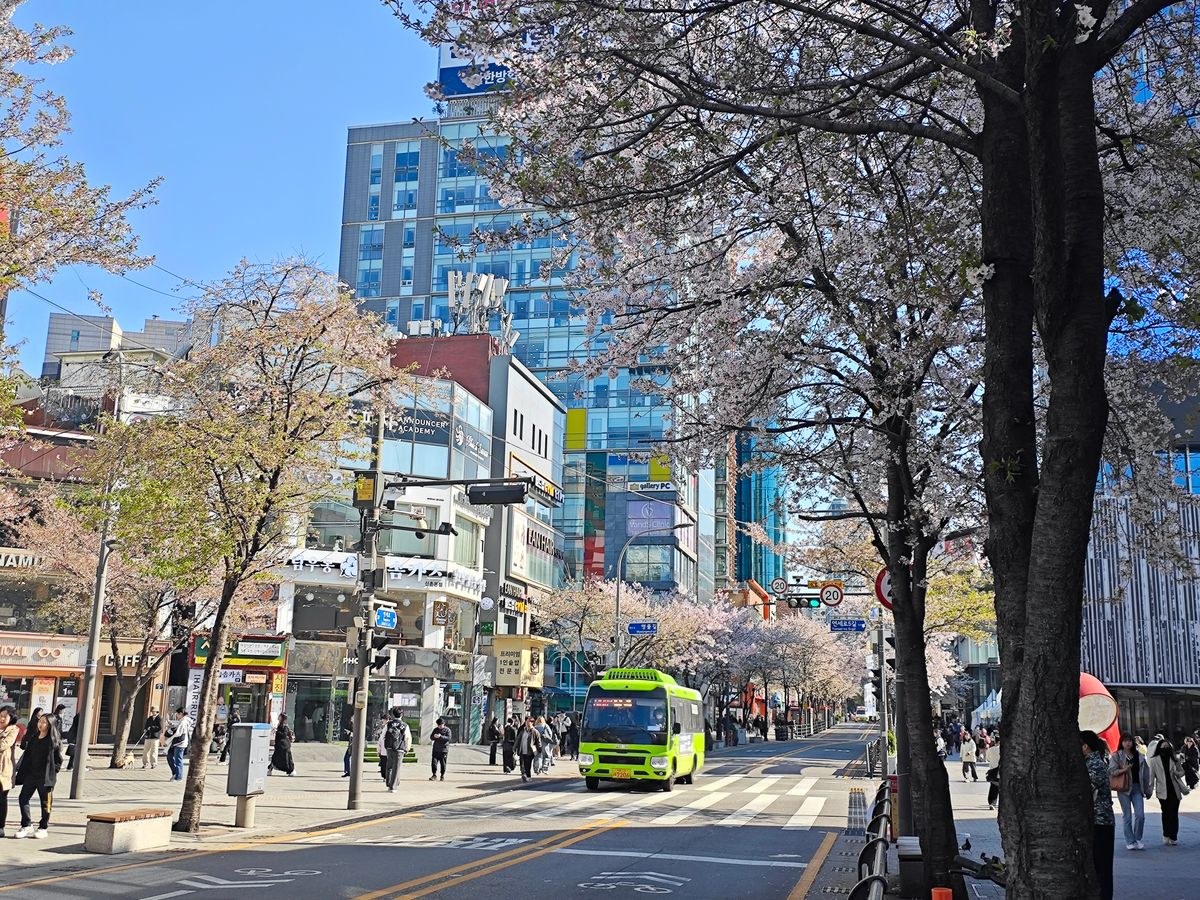
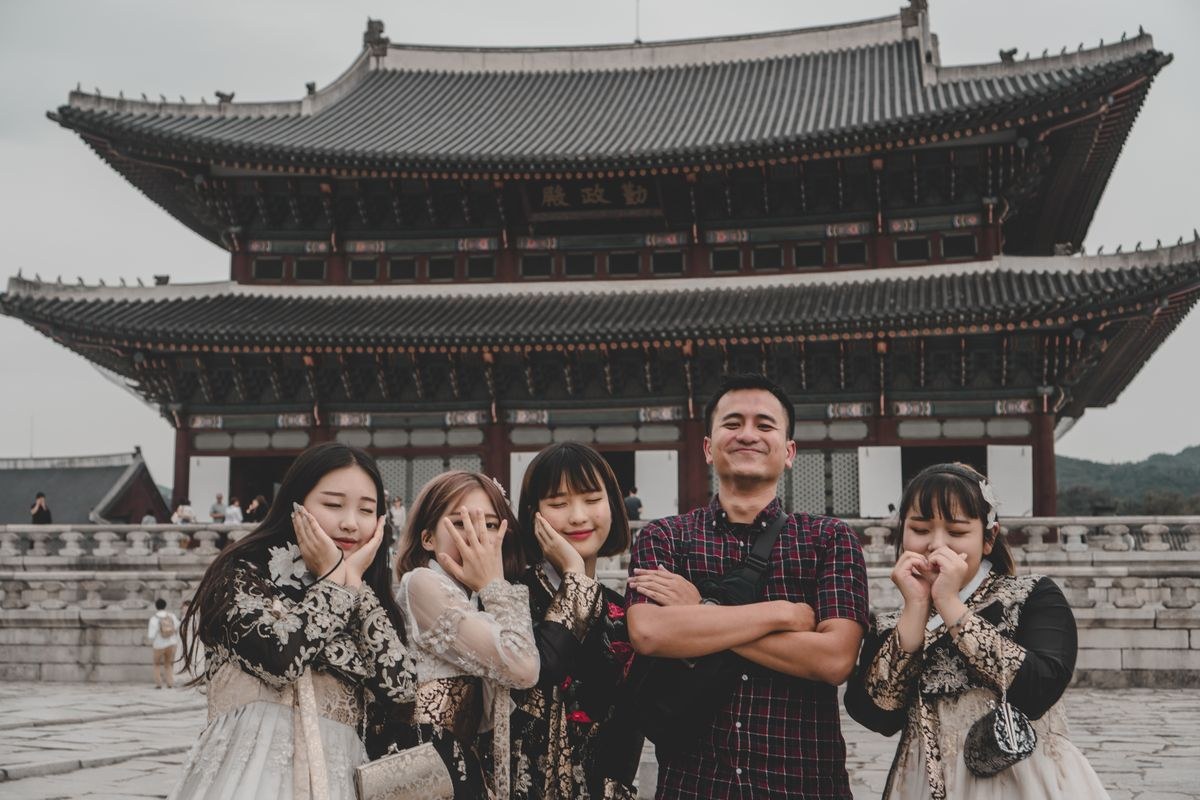
South Korea is a fascinating blend of ancient traditions and
ultra-modern lifestyles.
One moment, you could be walking between centuries-old
palaces in Seoul; the next, you could be surrounded by futuristic skyscrapers,
K-pop culture, stylish cafés and some of Asia's most advanced technology.
But beneath Korea's fast-paced modern lifestyle lies a
culture where respect, hierarchy, community and social etiquette remain
important.
For international travelers, particularly first-time
visitors, understanding a few Korean customs can make interactions easier and
your overall experience much richer.
You don't need to memorize dozens of complicated rules.
A little awareness and respect go a long way.
Here is HolidayAlong's guide to Korean etiquette, culture, and the essential do's and don'ts every traveler should know before visiting South Korea.
1. Do Greet People Politely
Greetings are an important part of Korean social etiquette.
A small bow of the head is commonly used as a respectful
greeting. As an international visitor, you don't need to perform a deep or
formal bow in everyday situations.
A slight bow accompanied by a smile is perfectly
appropriate.
Learning a few basic Korean expressions can also make a
wonderful impression.
Annyeonghaseyo (안녕하세요)
– Hello
Gamsahamnida (ê°ì‚¬í•©ë‹ˆë‹¤)
– Thank you
Joesonghamnida (죄송합니다)
– I'm sorry / Excuse me
Even when pronunciation isn't perfect, making an effort is
usually appreciated.
HolidayAlong Travel Tip
When interacting with hotel staff, guides, drivers, restaurant employees or elderly people, a polite greeting and slight bow can immediately create a warmer interaction.
2. Respect Age and Seniority
One of the most important things to understand about Korean
culture is the significance traditionally placed on age and seniority.
Respect toward elders remains visible in many everyday
interactions.
You may notice younger people:
- Greeting
elders more formally
- Allowing
senior people to begin meals first
- Using
both hands when giving or receiving something
- Offering
seats to elderly passengers
- Speaking
more formally to older people
As a tourist, nobody expects you to understand every social
hierarchy.
Simply showing courtesy toward elderly people is enough.
3. Use Both Hands When Giving or Receiving Something
This is a small gesture that can make a surprisingly
positive impression.
When giving or receiving something important—particularly
money, a business card, gift or drink—using both hands is considered polite.
Alternatively, you may use your right hand while your left
hand lightly supports your right wrist or forearm.
You may notice this gesture frequently during your travels.
It communicates respect.
4. Take Your Shoes Off When Required
Removing shoes is deeply embedded in Korean indoor culture.
You should expect to remove your shoes when entering:
- Private
homes
- Some
traditional restaurants
- Certain
guesthouses
- Hanok
accommodation
- Some
temples
- Traditional
floor-seating areas
Don't worry about guessing.
Look near the entrance.
If you see shoes neatly lined up, a shoe rack or slippers
provided for guests, that's usually your signal.
Don't
Walk directly onto a traditional indoor floor while wearing
outdoor shoes.
Do
Observe what locals are doing and follow their lead.
5. Keep Your Voice Down on Public Transport
South Korea has an outstanding public transportation system,
particularly in Seoul and Busan.
But despite busy subway trains, the atmosphere can often
feel surprisingly quiet.
Talking loudly on your phone or having an extremely loud
conversation can attract unwanted attention.
Good Subway Etiquette
Keep conversations at a reasonable volume, use headphones
for music and videos, allow passengers to exit before entering, and avoid
blocking train doors.
Priority Seats
Korean subway trains have designated priority seating for
elderly passengers, pregnant women and people who need additional assistance.
It's best for visitors to respect these areas even when the train isn't particularly crowded.
6. Understand Korean Dining Etiquette
Food is one of the highlights of any journey through South
Korea.
From Korean barbecue and bibimbap to street food and
traditional meals accompanied by banchan, eating in Korea is a cultural
experience in itself.
There are a few basic dining customs worth knowing.
Wait Before Starting
When dining with older Korean companions, traditionally the
eldest person begins eating first.
Don't Stick Chopsticks Upright in Rice
Avoid leaving your chopsticks vertically inside a bowl of
rice.
Instead, place them neatly beside your bowl or on the
chopstick rest where available.
Shared Side Dishes Are Normal
Korean meals frequently include several small side dishes
known as banchan.
Sharing food is an important part of Korean dining culture.
Spoon and Chopsticks
Korean meals commonly provide both a spoon and metal
chopsticks.
The spoon is typically used for rice and soup, while chopsticks are used for side dishes and other foods.
7. Don't Expect Tipping Everywhere
Travelers coming from countries with strong tipping cultures
sometimes wonder how much they should tip in South Korea.
Generally, tipping is not customary in everyday Korean
restaurants, cafés or taxis.
Simply paying the stated amount and thanking the staff is
normally sufficient.
For certain private tourism services, international luxury hospitality environments or exceptional personalized service, practices may differ, so travelers can check beforehand.
8. Be Respectful When Visiting Temples and Palaces
South Korea's temples, royal palaces and historic sites are
among the country's greatest cultural treasures.
Places such as Gyeongbokgung Palace, Changdeokgung Palace
and Buddhist temples provide fascinating insights into Korean history.
When visiting religious or cultural sites:
Dress respectfully.
Keep noise levels reasonable.
Follow photography restrictions.
Do not interrupt ceremonies or prayers.
Respect restricted areas.
Avoid touching historic artifacts unless specifically
permitted.
A historic site isn't simply another Instagram location—it represents generations of Korean history and identity.
9. Ask Before Photographing People
South Korea is incredibly photogenic.
Traditional hanok neighborhoods, markets, palaces, neon
streets and cafés provide endless photography opportunities.
However, photographing a beautiful destination and
photographing strangers are two different things.
Avoid taking intrusive close-up photographs of people
without permission, particularly:
- Elderly
residents
- Children
- Market
vendors
- Worshippers
- People
inside temples
- People
inside private establishments
A simple gesture asking permission can prevent an uncomfortable situation.
10. Respect Personal and Public Spaces
Seoul can be incredibly busy.
Subway stations, shopping districts and popular attractions
can become crowded, particularly around places such as Myeongdong, Hongdae and
Gangnam.
Be aware of your surroundings.
Avoid suddenly stopping in the middle of busy walkways to
check directions or take photographs.
Move to the side before checking your phone.
Small gestures like these make navigating crowded Korean cities much easier for everyone.
11. Don't Assume Everyone Speaks English
English signage is common across major tourist destinations,
and navigating cities such as Seoul and Busan is relatively straightforward.
However, you shouldn't assume everyone you meet will be
comfortable speaking English.
Learning a few Korean phrases or keeping a translation
application available can be extremely helpful.
Be patient when communication becomes difficult.
Pointing politely at an address, menu item or translation can often solve the problem.
12. Queue Properly
Order and efficiency are important in many public spaces in
Korea.
At subway stations, cafés, restaurants, attractions and
convenience stores, look for designated queue lines.
Avoid pushing ahead, particularly when boarding public
transportation.
Follow markings on the floor and observe what locals are doing.
13. Understand Korean Drinking Etiquette
Alcohol has traditionally played a significant role in
Korean social dining culture.
You may encounter drinks such as soju, makgeolli and
Korean beer during your trip.
In more traditional social settings, drinks may be poured
for one another rather than everyone simply serving themselves.
When receiving a drink from someone older or in a more
formal setting, holding the glass with both hands is considered respectful.
International visitors don't need to master every
traditional drinking custom.
Being polite and observant is enough.
And remember: participating in drinking is always a personal choice.
14. Respect Korea's Clean Public Environment
South Korea's major cities are generally well maintained,
and travelers should contribute to keeping public spaces clean.
Finding public rubbish bins can sometimes take longer than
expected.
Instead of leaving rubbish behind, keep it with you until
you find an appropriate disposal point.
This is particularly important at:
- Parks
- Markets
- Beaches
- Hiking
trails
- Palaces
- Temples
- Festivals
Responsible travel starts with respecting the destination you're visiting.
15. Don't Be Afraid of Making Small Mistakes
Perhaps the most important piece of advice is this:
Don't become so worried about etiquette that you stop
enjoying Korea.
International travelers aren't expected to understand every
cultural custom.
Most small mistakes are simply part of experiencing another
country.
Observe.
Be polite.
Show respect.
And when you're unsure, watch what local people are doing.
That approach works almost everywhere.
Quick Korean Etiquette Guide
|
Situation |
Do |
Avoid |
|
Greeting |
Slight bow and polite greeting |
Being overly casual in formal situations |
|
Giving something |
Use both hands |
Tossing or casually handing important items |
|
Traditional homes |
Remove shoes when required |
Walking inside with outdoor shoes |
|
Subway |
Keep noise moderate |
Loud calls or videos |
|
Dining |
Respect the dining pace |
Sticking chopsticks upright in rice |
|
Temples |
Dress and behave respectfully |
Loud behavior |
|
Photography |
Ask before photographing people |
Intrusive photography |
|
Elderly passengers |
Respect priority seating |
Occupying designated seats unnecessarily |
|
Public spaces |
Dispose of rubbish responsibly |
Littering |
|
Communication |
Be patient and polite |
Assuming everyone speaks English |
Essential Korean Words for Travelers
You don't need to speak Korean to enjoy South Korea, but
knowing a few words can make your experience easier.
Hello: Annyeonghaseyo – 안녕하세요
Thank you: Gamsahamnida – ê°ì‚¬í•©ë‹ˆë‹¤
Excuse me / Sorry: Joesonghamnida – 죄송합니다
Yes: Ne – 네
No: Aniyo – 아니요
Please give me this: Igeo juseyo – ì´ê±° 주세요
Delicious: Masisseoyo – 맛있어요
A smile combined with a sincere Gamsahamnida can go a long way.
Experience South Korea Beyond the Tourist Attractions
Understanding Korean etiquette isn't about following a rigid
rulebook.
It's about experiencing the destination with greater
awareness.
When you understand why people bow, why shoes are removed,
why age matters in certain social situations and why dining customs are
different, South Korea becomes much more than a collection of attractions.
You begin experiencing its culture.
And that's what meaningful travel should be about.
At HolidayAlong, we believe a beautifully planned
holiday isn't only about where you stay or what you see.
It's about understanding the destination, discovering
authentic experiences and returning home with stories worth remembering.
Whether you're exploring the palaces of Seoul, discovering
the coastal beauty of Busan, experiencing Jeju Island or immersing yourself in
Korea's food and pop culture, thoughtful planning can transform your journey.
Travel deeper. Experience more. Journey with HolidayAlong.
Frequently Asked Questions
Is South Korea tourist-friendly?
Yes. South Korea is a highly developed tourism destination
with excellent public transportation, modern infrastructure and numerous
attractions. Learning basic local etiquette can make interactions even
smoother.
Do tourists need to bow in South Korea?
A slight bow is a polite way to greet or thank someone, but
international tourists aren't expected to understand complex formal bowing
customs.
Do you tip in South Korea?
Tipping is generally not expected in everyday restaurants,
cafés and taxis. Certain private tourism or international hospitality
situations may differ.
Should tourists remove their shoes in Korea?
Not everywhere. Shoes are generally removed in private homes
and may need to be removed in hanok accommodation, traditional restaurants,
temples and other designated spaces. Look for shoe racks or follow local
guidance.
What should tourists avoid doing in South Korea?
Common things to avoid include loud behavior on public
transport, disrespectful behavior at temples and historic sites, intrusive
photography, littering and ignoring designated priority seating.
Is South Korea good for first-time international
travelers?
Yes. Its efficient transportation, excellent tourism
infrastructure, diverse food culture and combination of traditional and
contemporary attractions make South Korea an appealing destination for
first-time and experienced international travelers alike.